

The Centers for Disease Control and Prevention (CDC) estimates that over 1 million Americans get sick every year due to issues with their home’s tap water. Let’s explore some of the strategies you can use to ensure your family isn’t among them.
Don’t Ignore Sudden Water Quality Changes
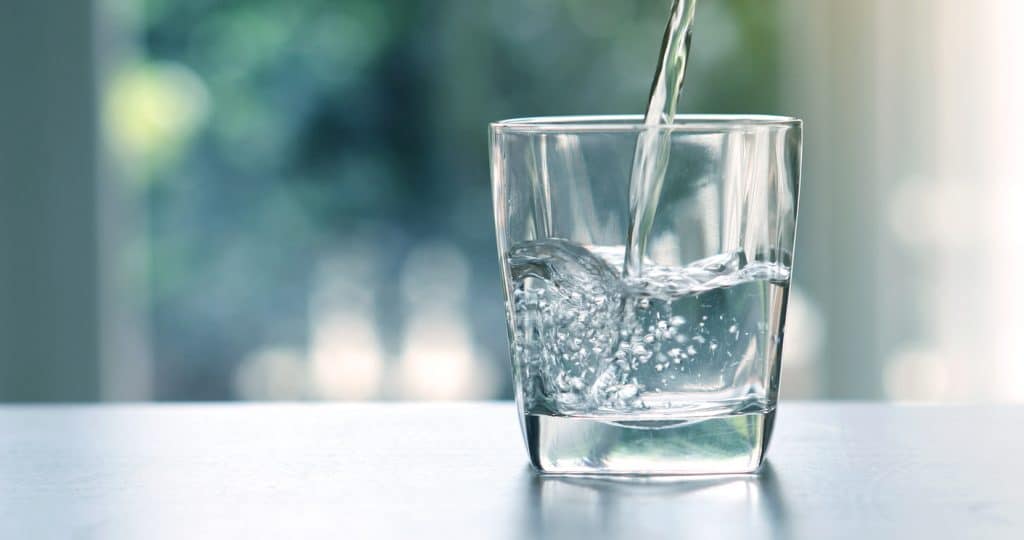
Your water should be clear, tasty, and free of unpleasant odors. A sudden change, such as a sulfur smell, can indicate microbes or other contaminants in your water. If you experience persistent issues, consider investing in a whole-house or point-of-use water purifier.
Schedule a Yearly Water Quality Assessment
Even if your water tastes great and looks clear, have it professionally tested annually. Not all harmful pollutants result in noticeable odors and tastes. Regular testing can also reveal issues with hard water, which can harm your plumbing system over time.
Book Annual Plumbing Maintenance
Schedule an annual whole-home plumbing inspection, and perform maintenance as needed. That can include sanitizing your water purifier and flushing your water heater.
Arrange Annual Well Service
If you have a well system, schedule annual well service, which will include water quality testing. It can also include treatment for the well water and pump maintenance.
Regularly Replace Faucet Aerators
Low-flow faucet aerators are effective at lowering water usage, but they can impact water quality over time. They can build up bacteria, mildew, rust, and other pollutants. Clean aerators in white vinegar every few months, and replace them every six to 12 months.
Monitor Water Purifier Media and Replace as Needed
Keep track of your water purifier’s media and proactively replace it as needed. Clogged or saturated filter media can let harmful substances pass through to your faucets. How often you’ll need to swap them out depends on the size of your household. Activated carbon typically needs replacement every three to six months. Sediment filters and ultraviolet (UV) lights are generally good for a year.
Store Water in Food-Grade Containers
If you store tap water for later drinking, use only food-grade containers. Other containers can allow plastics and other toxins to leach into the water.
Pay Attention to Local Safety Protocols
After power outages and severe storms, your local government may post water advisories. These can include having you run your water for a time or even boil it. Be mindful that you’ll still need to boil your water if your water purifier lacks a UV or reverse osmosis component. A system with just a sediment filter and activated carbon won’t remove enough microbes to protect you.
When in doubt about your drinking water, play it safe and call a plumber. Poor water quality can lead to digestive distress and even more serious health issues. If you live in Great Falls, MT or a surrounding area and need water treatment services, make your first call to Grizzly Plumbing.